
Shukri Conrad is choosing reflection over frustration after South Africa’s 3–1 T20I series loss to India, viewing the tour as a valuable learning exercise rather than a setback. With the 2026 T20 World Cup on the horizon, the series marked the end of a demanding ten-week journey for South Africa and effectively completed their reconnaissance mission for conditions they will soon face again.
Speaking in Ahmedabad at the conclusion of the tour, Conrad described the trip as a productive one, highlighting the exposure to Indian conditions as a major gain. While acknowledging the disappointment of losing the series, he stressed that India’s status as reigning world champions underlined the scale of the challenge. For South Africa, the focus is now firmly on returning better prepared and more competitive when it matters most.
Ending the tour at the Narendra Modi Stadium proved particularly instructive. South Africa are scheduled to play the majority of their World Cup matches at the same venue, and Conrad believes conditions during the tournament—likely featuring less dew and fog—could reduce the influence of the toss. The final T20I, where both teams crossed 200, also hinted at the kind of high-scoring contests to expect, even if South Africa ultimately fell short by 30 runs.
That defeat reflected a broader theme of inconsistency that has followed South Africa through their recent white-ball tours. Their series in India swung wildly from being bowled out for a meagre 74 in the opener, to successfully defending 213 in the second match, before slipping again with a modest 117 in the third. In the final game, a spirited chase of 232 ended at 201 for 8, undone largely by costly bowling spells.
The broader numbers are sobering. South Africa have lost 12 of their 18 T20Is in 2025, including defeats in Pakistan, India, and a tri-series final against New Zealand. Ordinarily, such a run would ring alarm bells so close to a World Cup. Conrad, however, sees it differently. Bilateral series, in his view, are platforms for experimentation, and what he has gathered over his first six months as all-format coach is information rather than cause for panic.
That experimentation is reflected in selection. Only West Indies have used more players in T20Is this year, with South Africa fielding 31 different cricketers. Dewald Brevis has been the most consistent presence, while injuries and workload management have limited the involvement of key figures such as Kagiso Rabada, David Miller and Keshav Maharaj. As a result, Conrad’s task now is to shape clarity out of variety.
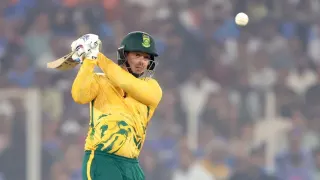
At the top of the order, Conrad feels relatively settled, identifying Quinton de Kock and Aiden Markram as anchors, while weighing options for a third batter. De Kock’s strong return, finishing among the leading run-scorers in the series, has almost certainly sealed his World Cup spot. The debate now centres on whether someone like Ryan Rickelton can claim the No. 3 role, or whether experience in the form of Reeza Hendricks will prevail.
Further down the order, the picture is clearer. Brevis and Miller are expected to be automatic selections, particularly with Heinrich Klaasen sidelined, while a cluster of batters remain in contention for any remaining slot. Conrad’s preference for allrounders also shapes his thinking, with players such as Marco Jansen, George Linde, Donovan Ferreira and Corbin Bosch offering balance and flexibility.
The bowling attack presents tougher decisions. Rabada is expected to return once fit, but Conrad must still determine the right mix around him, with Anrich Nortje, Lungi Ngidi and others all in the frame. While Nortje’s recent return was wicketless, Conrad remains confident in his pedigree, especially given his strong World Cup record, and is keen to manage his workload carefully to avoid setbacks.
For now, Conrad is satisfied with the progress made, even as he acknowledges areas for improvement, particularly under pressure with the ball. With the SA20 set to begin on Boxing Day and a short home series against West Indies to follow, South Africa’s players have clear opportunities to sharpen their form. The World Cup squad will be named in early January, and while the results may not yet inspire confidence, Conrad believes the foundations are being quietly laid.
